
This is the moment when the world of work undergoes one of its greatest transformations. With continuous technological changes, new ways of collaboration, communication, and value creation come forth. The digital revolution, automation, and remote working created what many termed the digital workplace, which changed the traditional face of the office. Success in this new era for a person or organization depends on one’s ability to adapt to the changes in technology, flexible models of working, and continuous learning.
The Rise of the Digital Workplace
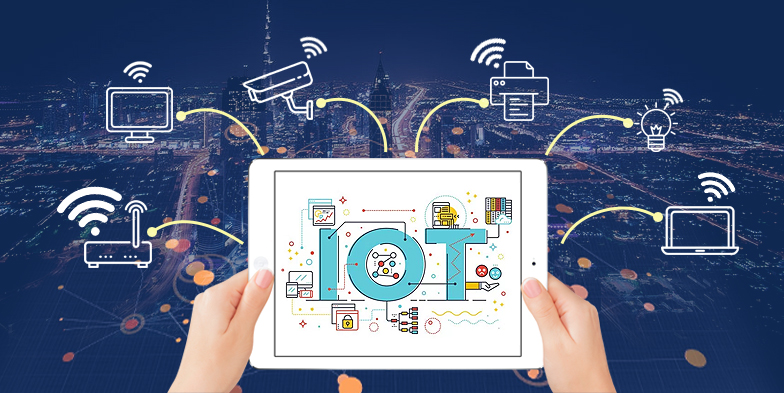
The digital workplace is more than just working on a computer or using online tools. It is an integrated environment whereby technology enables effective working from any location. At the heart of the communication are platforms such as Microsoft Teams, Slack, and Zoom, which allow for employee interaction, and cloud computing and project management software, such as Asana or Trello, that enable teams to collaborate in real-time across each continent.
The COVID-19 pandemic dramatically accelerated this shift. What was thought to be temporary-remote working for many industries-is now permanent. According to a report by McKinsey & Company, more than 60% of employees all over the world want hybrid ways of working, where remote flexibility is combined with in-person interaction. This evolution has pushed companies to rethink how to approach productivity, employee engagement, and culture in this virtual-first world.

Technology and Automation in the Workplace
Automation and Artificial Intelligence are the main driving forces in workplaces today. Intelligent systems perform routine tasks that free humans to be more creative, strategic, and innovative. Examples range from AI-powered recruiting tools that screen resumes and data analytics for marketers to chatbots serving customers.
While automation might have brought a host of fears that it would take over jobs, experts insist that the likeliest thing it will do is redefine them. According to World Economic Forum research, while technology will indeed eliminate certain jobs, it will equally create entirely new ones, particularly in areas such as data science, cybersecurity, and digital strategy. How to reskill the workforce for this transformation is the challenge.
The Human Side of the Digital Shift
Along with the rising tide of technology, the human touch is still needed. Emotional Intelligence, collaboration, and problem-solving are becoming as relevant as technical expertise. Nowadays more and more companies are investing in people’s well-being and digital culture to make sure that technology serves to complement but not diminish humanness. With the digital era, so too must aspects of leadership change.
Today’s leaders are charged with managing virtual teams, commanding trust from a distance, and instilling in others a feeling of belonging across digital lines. Transparency, empathy, and agility are the new hallmarks of the digital leader.
Building Skills for the Future
In the successful implementation of digital workplaces, continuous development of both technical and soft skills among employees is inevitable. Digital literacy, cybersecurity awareness, and data analysis have turned into inevitable aspects across professions in today’s context. Adaptability and lifelong learning remain equally important. Several organizations implement online training programs along with mentoring systems that let their workforce cope with the rapid pace of technological changes.

Closing Thoughts
The future of work is not about technology replacing humans, it’s about technology empowering them. The digital workplace opens a whole world of possibilities for innovation, flexibility, and collaboration across the globe. Success in this brave new world demands adaptability, learning, and keeping alive human connections in a virtual environment. As we go deeper into the digital era, the most successful will be the organizations that will balance technological advance with an abiding, people-oriented culture, that is, making digital transformation into human progress.