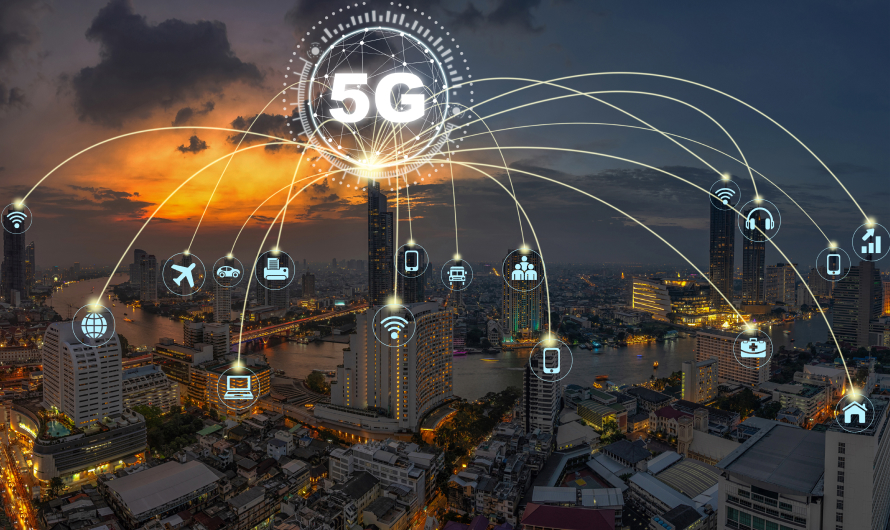
With 5G technology, a new leaf is turned in the evolution of global connectivity. Much quicker than its predecessor, 4G, it boasts lower latency and can support millions of connected devices all at once. The improvements are not just technical in nature but are also about to usher in new eras regarding how life is lived and how industries function, as innovations will become available that could neither be contemplated nor dreamed of earlier.
What’s different with 5G?
But what really sets 5G apart from all other previous generations are three key capabilities: ultra-fast speeds, near-zero latency, and massive device capacity. It could give speeds as high as 100 times faster than 4G, making it possible for users to download a full movie in only a few seconds and stream high-quality content with no buffering. Further, extremely low latency of less than 10 milliseconds means that digital interactions can perform nearly in real time, enabling real-time applications like self-driving cars, remote medical procedures, or competitive online gaming.
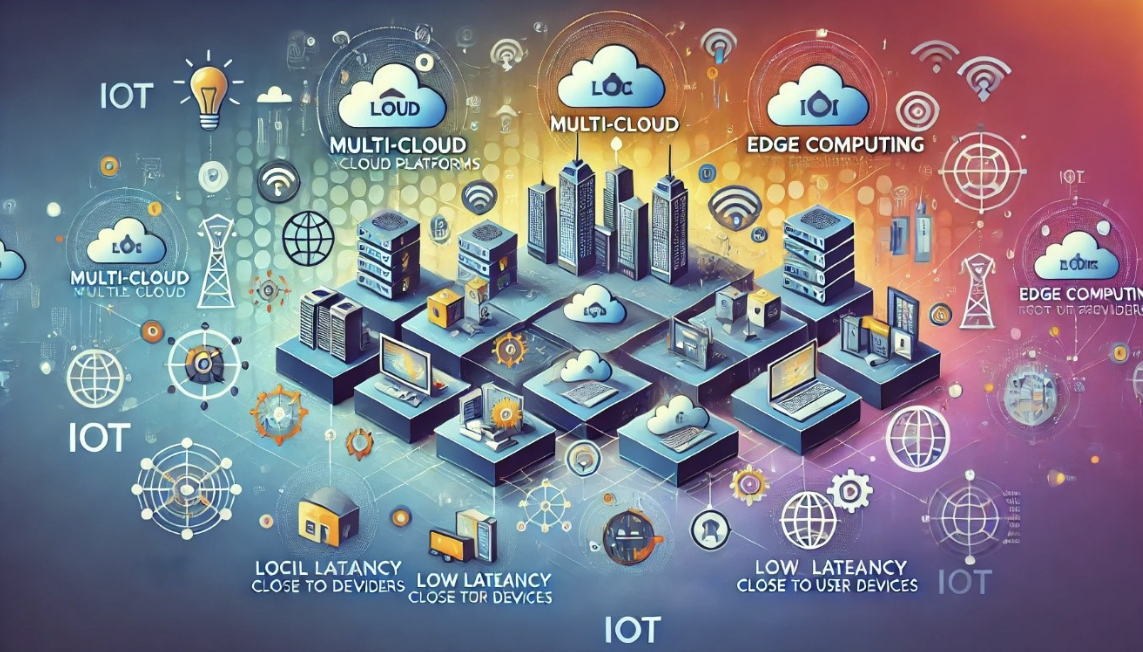
Besides, 5G can connect up to a million devices per square kilometer, providing a solid base for smart cities, IoT networks, and large-scale automation.
Transforming Digital Entertainment
Some of the most pronounced effects of 5G are in the realm of entertainment. High-speed connections mean seamless streaming in 4K and 8K quality, lag-free gaming, while cloud gaming platforms like NVIDIA GeForce Now or Xbox Cloud Gaming rely so much on fast connections that 5G ensures users can take advantage of console-quality gameplay right from their mobile devices.
Similarly, VR and AR will also be more available and realistic. Due to 5G, users will enjoy immersive virtual concerts, interactive learning environments, and sophisticated mobile AR apps without delays or heavy hardware.
Supporting Smart Cities and IoT
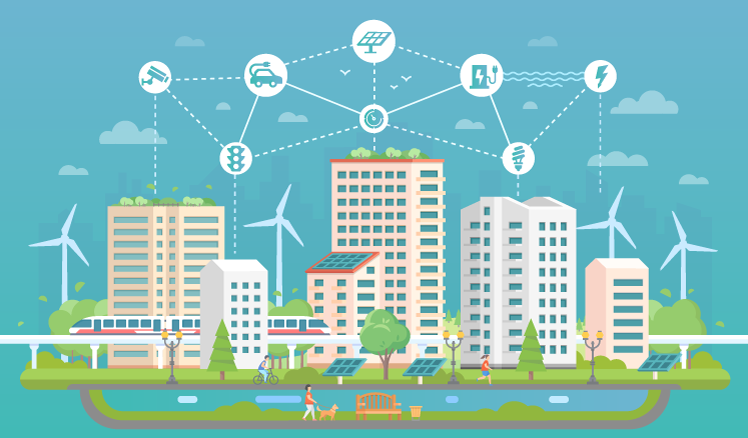
5G also provides the backbone for the innovation of smart cities. The capability of 5G to support virtually any amount of devices means that functional public services, such as smart traffic lights adjusting in real time to reduce congestion while smart sensors monitor air quality and energy use, become possible.
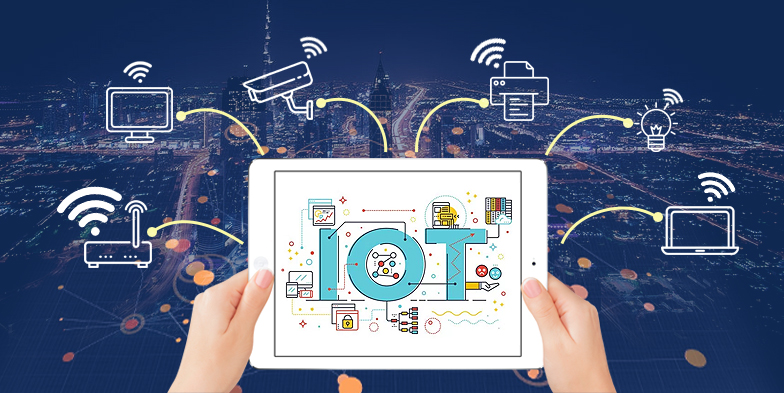
5G will enable all types of new IoT devices at home, from smart refrigerators to security systems, thermostats, and AI-driven household assistants. Seamless communication among these devices will help users save energy, enhance security, and promote greater convenience.
Advancing Healthcare and Industry
5G innovation has enormous benefits within the healthcare sector, which ranges from offering the possibilities of performing remote surgeries and monitoring patients in real time using wearable devices, to sharing medical data instantly with specialists from around the world. This contributes to greater accessibility and higher quality of care.
5G allows for automation, enabling smart factories in manufacturing industries, among others, where machines can communicate instantly with each other to improve business efficiency, reduce downtime, and maintain safer working conditions.
Challenges in the Adoption Process
However, 5G remains a set of challenges: the extremely high costs to build out infrastructure besides installing millions of new antennas and fiber networks. Risks to cybersecurity and data privacy also come with increasingly connected environments opening up more vulnerabilities. Investment by governments and technology companies is strong, though, accelerating not just adoption but security too.
Closing Points
5G is more than a faster network, it’s a catalyst toward new generations of digital experiences. From entertainment to smart cities, health, and industry, the very nature of life and work will be rewritten in ways yet to be fully grasped. As 5G rolls out across the world, new avenues of innovation will unlock, building a world that’s smarter, better-connected, and more productive. The future of digital technology is not only evolving but is racing ahead, powered by endless possibility enabled through 5G.