Something just feels off about the internet these days, doesn’t it? We pour our lives into it our thoughts, our photos, our friendships but none of it really feels like it belongs to us. We’re living in these huge, shiny cities built by a handful of companies, and we’re just renting space. They have the keys. They make the rules.
Web3 is the crazy idea that maybe we could build our own town. With our own keys. It’s not just an update. It’s a do-over.
A More Decentralized and Transparent Internet
Let’s get real about how things work now. So much of the web runs through a few giant server farms. If one of them has a bad day, half the internet seems to break. There’s one person, one company, who can decide to pull the plug. That’s a fragile system.
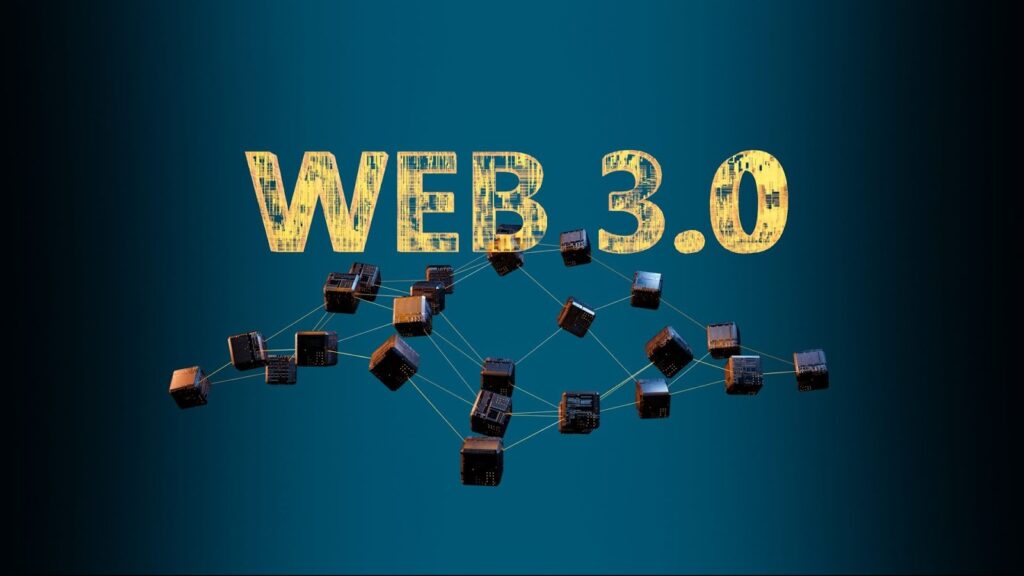
Web3 is built differently. It’s not a skyscraper; it’s a network. A web. Thousands of computers all talking to each other. There’s no main office. No CEO who can shut it all down. And because the records of what happens are shared across that network, it’s all out in the open. You don’t have to trust a company. You can just check for yourself.
Full Control Over Identity and Ownership
The weirdest part of the internet we grew up with is that we were the product. Our data, our habits, our attention that was the price we paid for “free” apps.
Web3 is trying to put a stop to that. It wants to hand you back your digital ID and say, “This is yours. You decide who gets to see it.” And then there’s ownership, which is a total game-changer. Forget the crazy ape pictures for a minute and think about what an NFT really is. It’s a receipt. A deed. Carved in stone. It’s proof that this digital thing this art, this game item, this ticket belongs to you. Not to a company. To you. Full stop.
Enhanced Data Security

Think of it like this. The old internet is like a bank vault with one massive, heavy door. It’s tough, but if someone figures out how to get through that one door, they have everything.
Web3 is more like trying to rob a million different people at the exact same time. The data is spread out, locked up in tiny pieces all over the network. There’s no single front door to kick in. To change anything, you’d need to convince a majority of the network to lie for you, which is just incredibly hard to do. It’s security by design, not by a single, giant padlock.
New Economic Opportunities
This is the part that gives me hope. For so long, if you wanted to send money or get a loan, you had to go through a gatekeeper. A bank. A big platform. And they always took their cut.
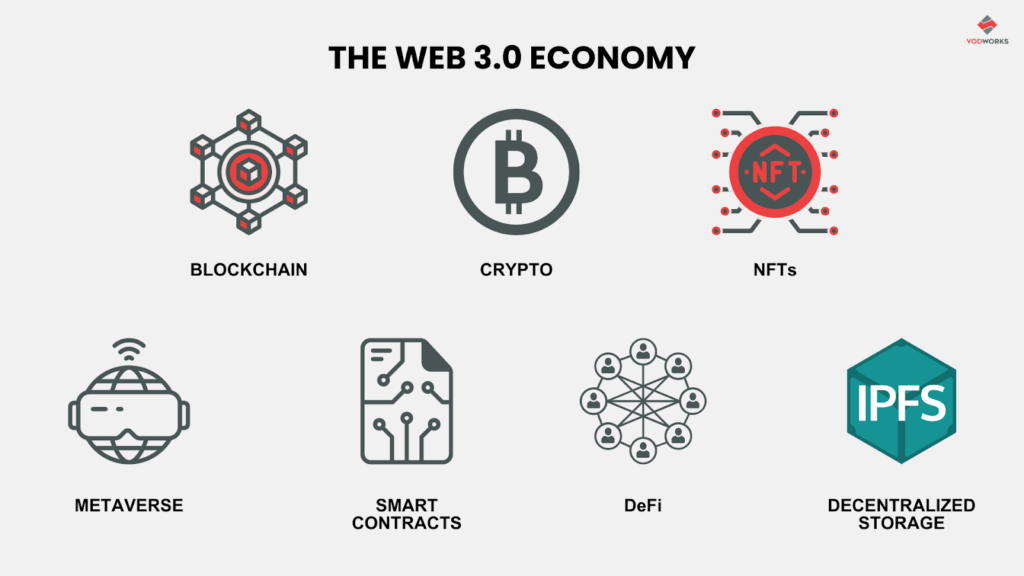
DeFi, which is a big part of Web3, is building a financial system without those gates. And for anyone who makes stuff artists, writers, musicians this is huge. The idea that you can get paid for your work, directly from the people who enjoy it, without some platform taking a giant slice of the pie that’s becoming real.
Communities as the Heart of the Ecosystem
And who makes the rules in this new world? A lot of the time, it’s the people who actually use the thing. Imagine if Facebook users could vote on what features to build next. That’s the kind of thing that happens in Web3. It’s not always pretty. It can be chaotic. But it’s ours. It’s a group of people deciding together, instead of a boss telling everyone what to do.
Conclusion
So, is a lot of this just hype? Yeah, probably. There’s a ton of noise. But the idea at the center of it all the idea of actually owning a piece of our digital lives, of having a say, of taking back a little bit of control that’s not hype. That’s real. It’s our chance to finally get our own set of keys. And to me, that’s a future worth fighting for.