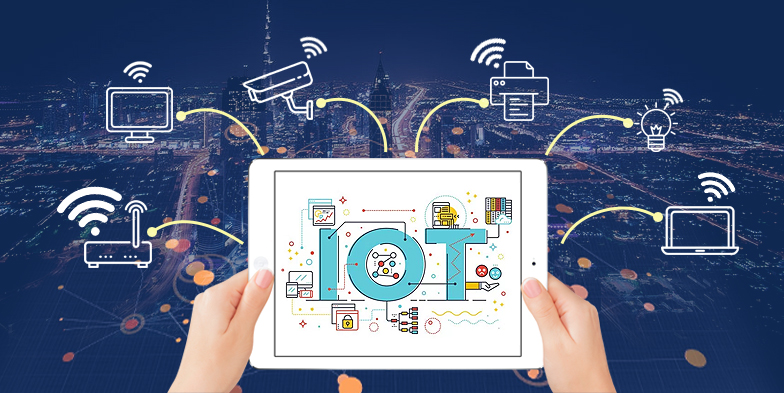
It’s funny how the biggest changes often happen so quietly you barely notice them at first. That’s exactly the story of the Internet of Things (IoT). It’s not a loud, flashy revolution with flying cars. It’s more like a silent conversation happening all around us, between the objects we use every day, making our lives a little bit easier, safer, and a whole lot smarter.
This isn’t some trend that will fade away. This is the new normal.
A More Connected and Responsive World

Remember that old sci-fi dream of a house that just knew what you wanted? Your lights fade on gently in the morning, the coffee starts brewing the moment your alarm goes off, and the front door locks itself when you leave. Well, that dream is no longer a dream. It’s happening right now.
That’s what IoT is doing in our homes. It’s giving our environment a kind of intuition. It’s the magic of being able to check your security cameras from halfway across the world, or adjusting your thermostat before you even get home so it’s perfect the moment you walk in. It’s like our homes are finally listening to us, anticipating our needs without us having to say a word.
IoT Innovations Reshaping the Way We Work
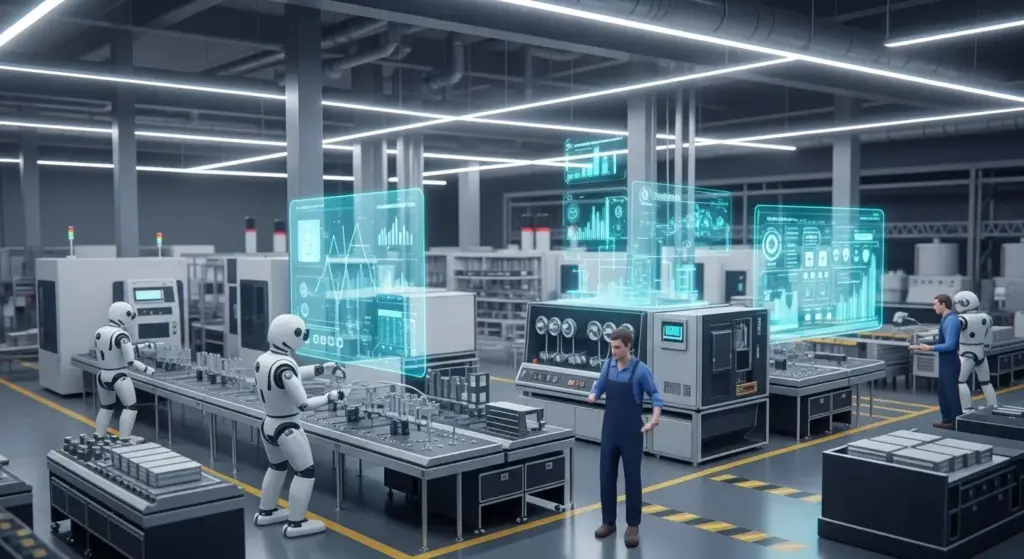
But this conversation isn’t just happening in our houses. It’s happening in the places we work, too. Imagine a huge factory where the machines can basically talk. They can send a message to a technician saying, “Hey, my temperature is a little high, you should probably check on me before I break down.” That’s not fiction; that’s IoT at work, preventing problems before they even start.
And in healthcare, it’s even more personal. Think about the wearable gadgets we all have now. They’re not just for counting steps. They are becoming lifelines, giving doctors a real-time window into their patients’ health their heart rate, their sleep quality, their activity levels. This means a doctor can spot a potential issue from miles away. It’s not about replacing human care; it’s about giving our caregivers superpowers.
Smart Mobility Transforming Transportation
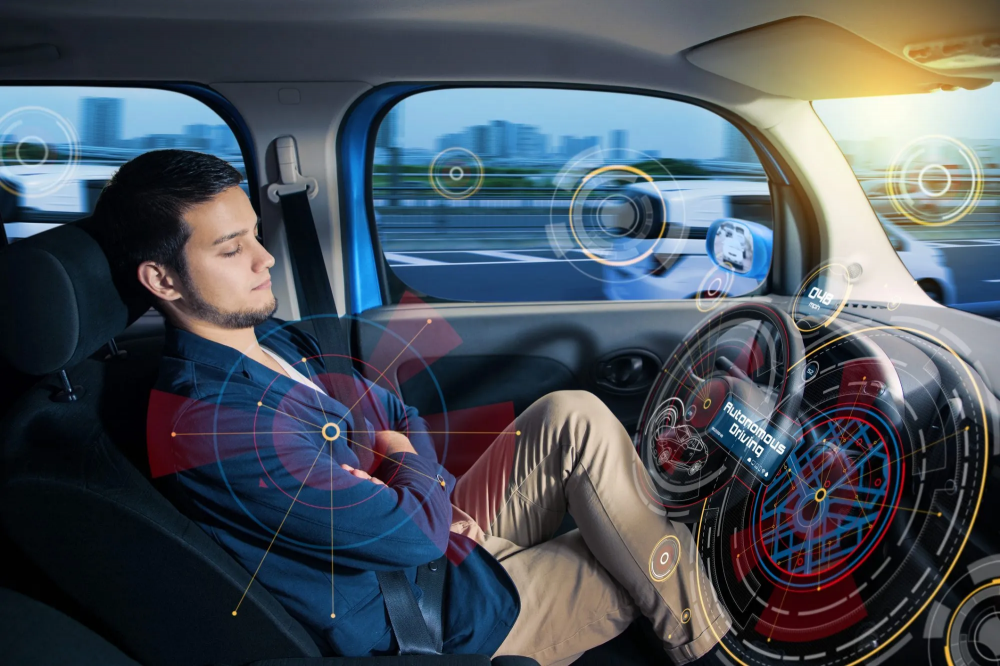
The way we get around is also getting a major upgrade. Your car isn’t just a hunk of metal anymore. It’s becoming your co-pilot, with sensors that can see what you can’t, brakes that can react faster than you can, and navigation that knows about a traffic jam before you do.
And it’s not just our cars. The cities themselves are getting smarter. We’re talking about traffic lights that can adjust to the real-time flow of cars, or public transport that runs more efficiently because it knows exactly where the demand is. It’s all part of building cities that actually work for the people living in them making our daily commutes safer and a little less frustrating.
Cybersecurity: A Growing Challenge
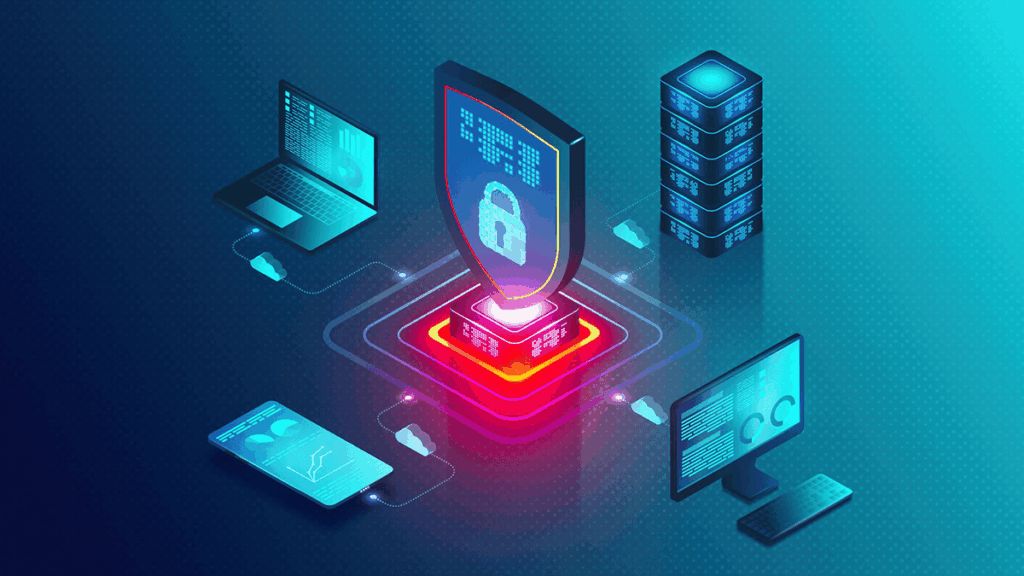
Okay, let’s talk about the elephant in the room: security. When everything is connected, it’s fair to ask, “Is all of my information safe?” It’s a valid concern, and it’s probably the biggest challenge IoT faces.
The good news is, the people building this stuff are just as worried about it as you are. A huge amount of effort is going into creating stronger digital locks and smarter alarm systems for our data. Think of it like this: as our homes get smarter, so do the locks on our doors. It’s an ongoing process, but protecting our digital lives is priority number one.
Conclusion
So, this isn’t about a distant future. The Internet of Things is here, now, working quietly in the background to make our world a little more responsive and a lot more helpful. It’s in our homes, our hospitals, and our cities. And the more we understand how this “silent conversation” works, the more we can be a part of shaping a future that’s not just smarter, but wiser, too. It’s a smarter world, and it’s inviting us all to join in.