
Choosing a computing platform used to be pretty simple. You’d buy a server, stick it in a closet, and that was that. But today, it feels like you’re standing at a crossroads with a dozen different paths, each leading to a totally different place. You’ve got the cloud, on-premises systems, and all sorts of hybrid options in between.
So, how do you even begin to choose? It’s not just a technical decision anymore. It’s a business decision that will shape how you grow, how you spend your money, and how fast you can move. Let’s break it down like we’re just having a conversation over coffee.
Understanding Computing Platforms

At its heart, a computing platform is just the “stage” where your software performs. It’s the hardware, the operating system, and all the tools that let your applications run. Think of it like building a house. You need to decide on the foundation before you can start putting up the walls. Are you building on solid ground you own, or are you renting a flexible space in a high-rise?
You’ve got the big names in the cloud like Amazon’s AWS, Microsoft’s Azure, and Google’s Cloud Platform. Then you have the more traditional, do-it-yourself options like setting up your own servers with Windows or Linux. Each one has its own personality, its own strengths, and its own quirks.
Cloud Platforms: Flexibility and Scalability
This is the path everyone seems to be talking about, and for good reason. The cloud is like having an infinitely stretchable toolkit. Need more power for a big product launch? You just dial it up. Is business a little slow this month? You dial it back down. You only pay for what you use.
For a startup, this is a lifesaver. You don’t have to spend a fortune on servers you might not even need in six months. It’s the ultimate in “try before you buy” on a massive scale.
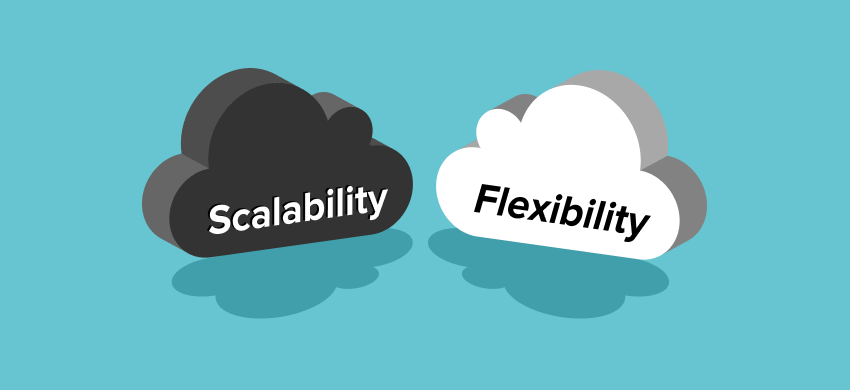
But it’s not just about saving money on hardware. The real magic of the cloud is all the extra stuff that comes with it. You get access to cutting-edge AI tools, powerful databases, and all sorts of things that would be incredibly difficult and expensive to build yourself. It’s like renting a workshop that comes fully equipped with every tool you could ever dream of. It lets you focus on building your product, not on managing a server room.
On-Premises Platforms: Control and Customization
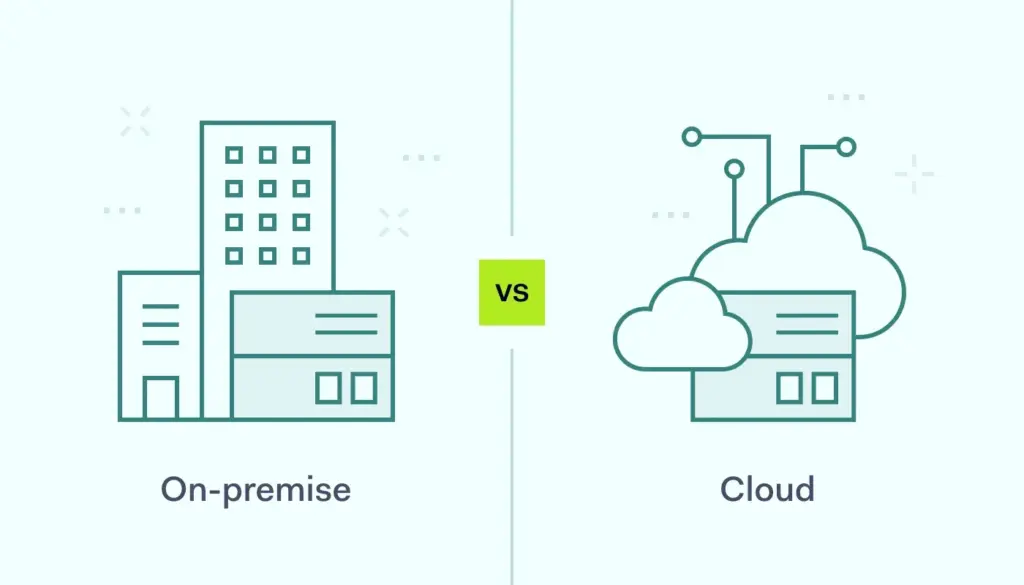
Now, let’s talk about the other path: building your own “house” on your own land. This is the on-premises approach. Yes, it’s more work upfront. You have to buy the servers, manage the network, and keep everything running. It can feel like a lot of responsibility.
So why would anyone do it? The one-word answer is: control.
When you own the whole stack, you call all the shots. You can build it exactly the way you want it. For industries with super strict security or data privacy rules think healthcare or finance this is often non-negotiable. They need to know, without a shadow of a doubt, where their data lives. It’s like having a vault that only you have the key to.
Hybrid and Multi-Cloud Solutions
This is where things get really interesting. Most businesses I talk to don’t live in a black-and-white world. They live in the gray area. They realize they don’t have to choose just one path.
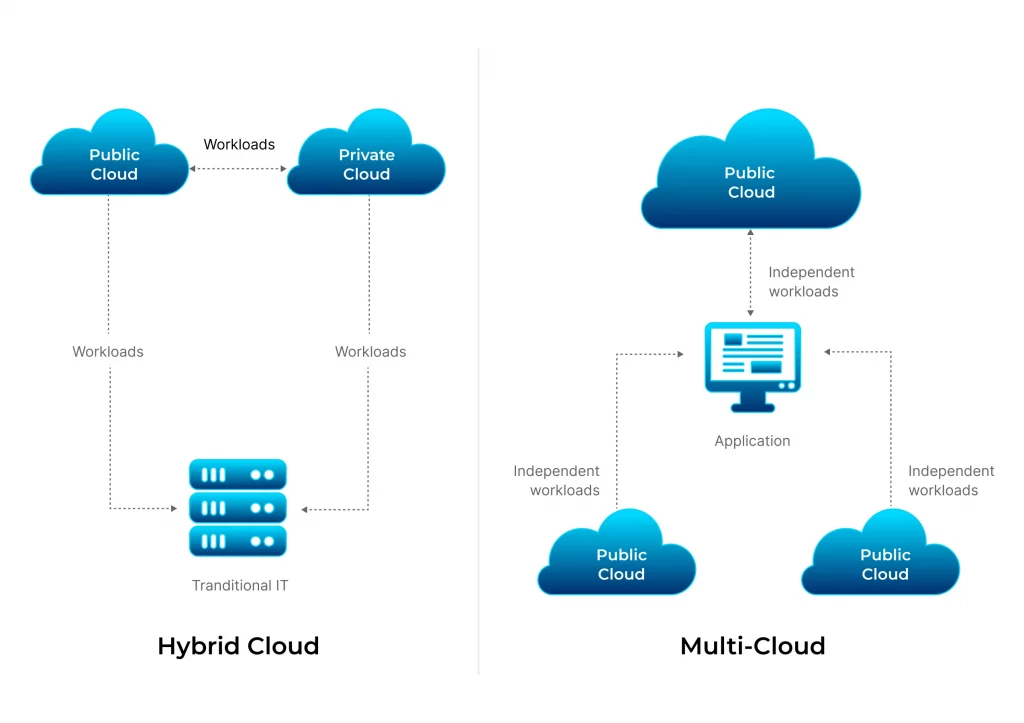
A hybrid approach is like having the best of both worlds. You keep your most sensitive, critical stuff in your own “vault” (on-premises), but you use the cloud for all the flexible, scalable things. It’s a smart compromise.
And a multi-cloud strategy? That’s like saying, “I like the tools at AWS’s workshop, but Google has this one amazing tool that no one else has.” So, you use both. It keeps you from being locked into one provider and gives you the freedom to pick the best tool for the job, no matter who makes it.
Which Platform Fits Your Needs?
So, how do you decide? It really comes down to a few honest questions you have to ask yourself.
- How fast do we need to move? If the answer is “yesterday,” the cloud is probably your friend.
- How important is total control? If you can’t sleep at night without knowing exactly where your data is, on-premises might be the right call.
- What’s our budget look like? The pay-as-you-go model of the cloud can be great, but the long-term costs of an on-premises system can sometimes be more predictable.
- What does my team actually know how to do? Don’t pick a platform that requires a bunch of skills your team doesn’t have.
Conclusion
Choosing a computing platform is one of the most important decisions you’ll make. It’s the foundation for everything you build. Take the time to really understand your options. Talk to your team. Think about where you want to be in five years, not just five months.
Whether you go all-in on the cloud, build your own fortress, or find a smart path in between, making a thoughtful choice now will pay off in ways you can’t even imagine down the road.